
Every metal has its own character. Color, weight, durability, and maintenance all play a role in how a piece looks and wears over time.
The right choice depends on your style, lifestyle, and how often you plan to wear the jewelry.
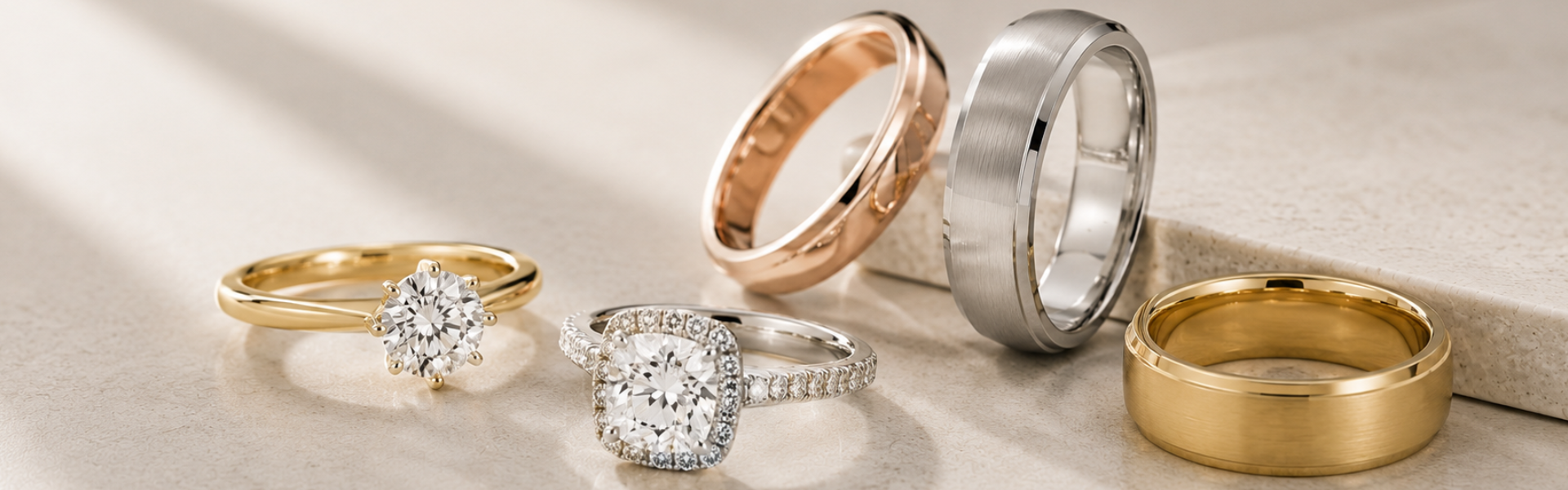
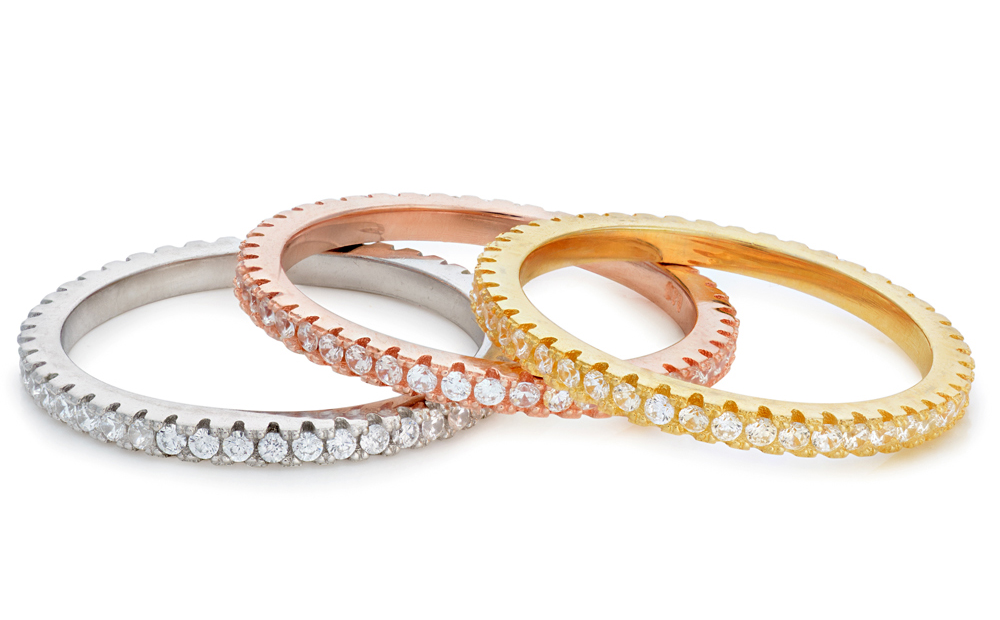
Timeless and versatile, gold is available in a range of colors and purity levels to suit every style.
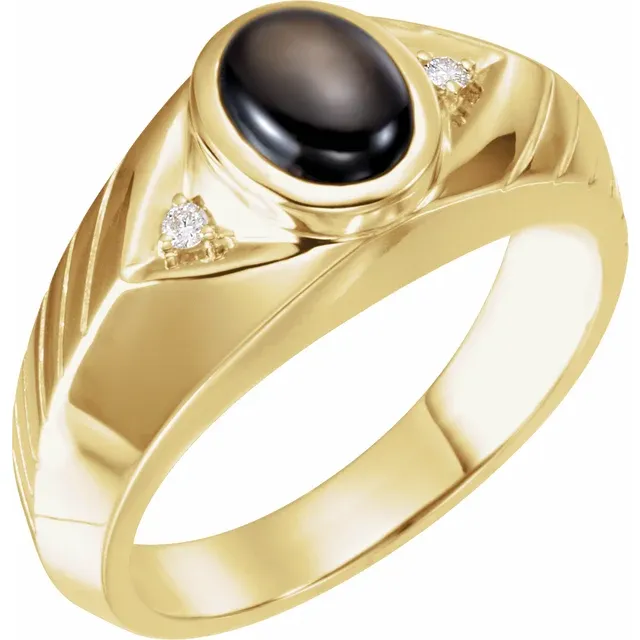
Yellow gold offers a warm, classic appearance and pairs beautifully with both diamonds and colored gemstones.
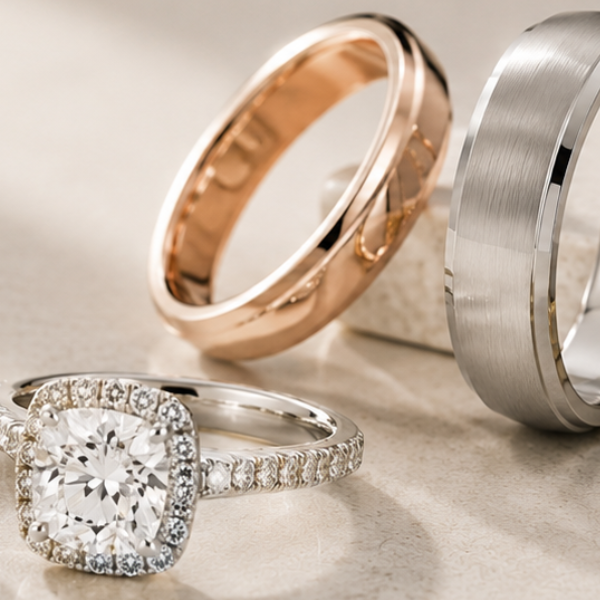
White gold has a bright, modern look and is often finished with rhodium for a crisp white appearance.
Rose gold gets its soft blush tone from copper and has a romantic, distinctive character.
Known for their beauty, rarity, and lasting value, precious metals offer an elegant foundation for fine jewelry.
Naturally white, durable, and hypoallergenic, platinum is an excellent choice for jewelry designed for frequent wear.
Bright and versatile, sterling silver contains 92.5% pure silver and may require occasional polishing to maintain its shine.
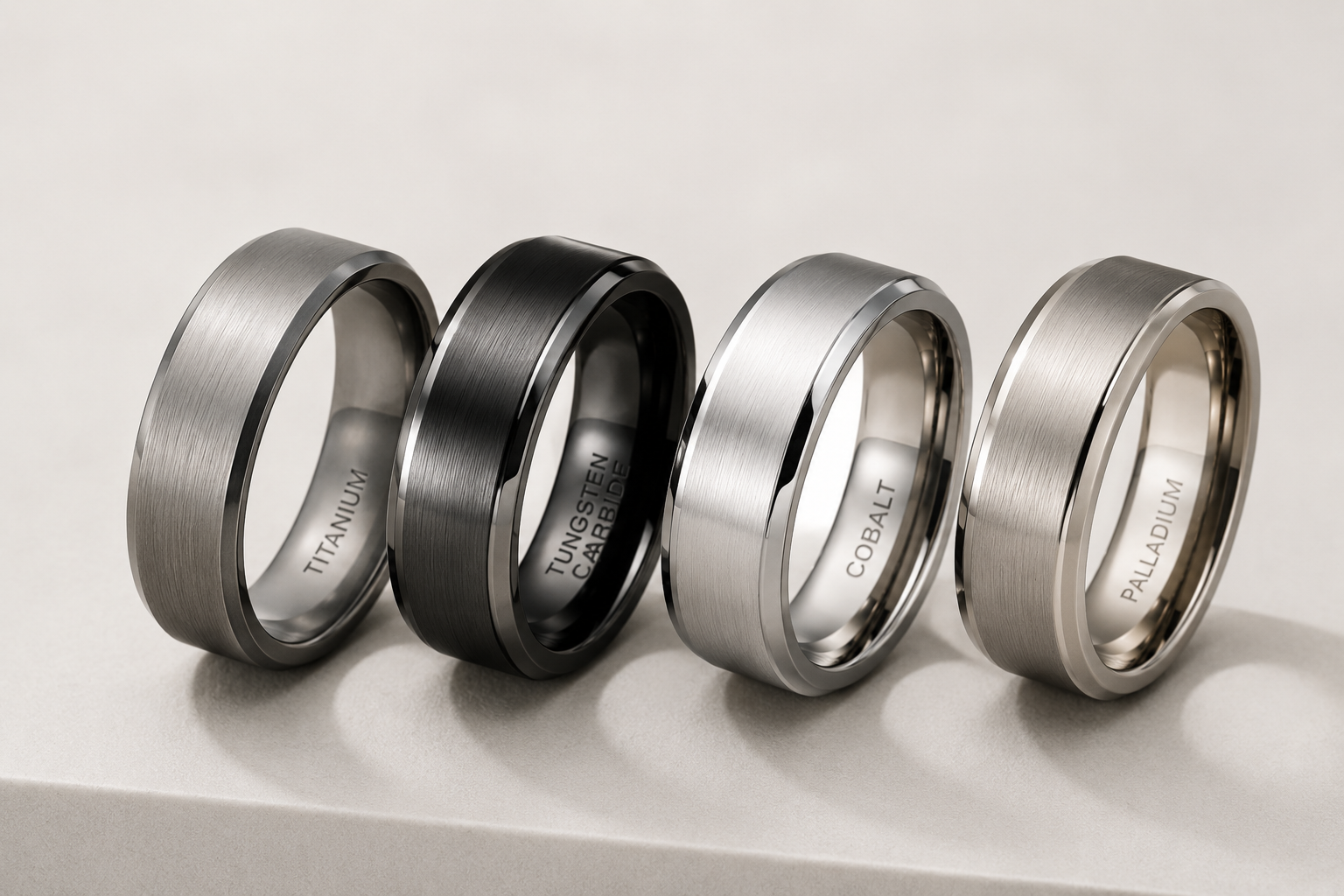
Modern and durable, alternative metals offer distinctive finishes, comfortable wear, and excellent strength.
Titanium
Lightweight, durable, and comfortable for everyday wear.
Tungsten Carbide
Strong, substantial, and highly resistant to scratching.
Cobalt
Bright white, durable, and contemporary.
Palladium
Naturally white, lightweight, and part of the platinum family.
Discover the Types of Metals
Gold
 Yellow Gold
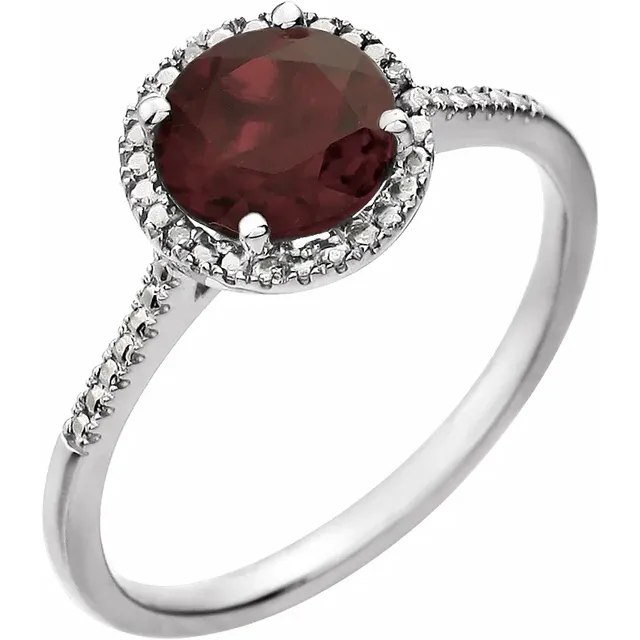 White Gold
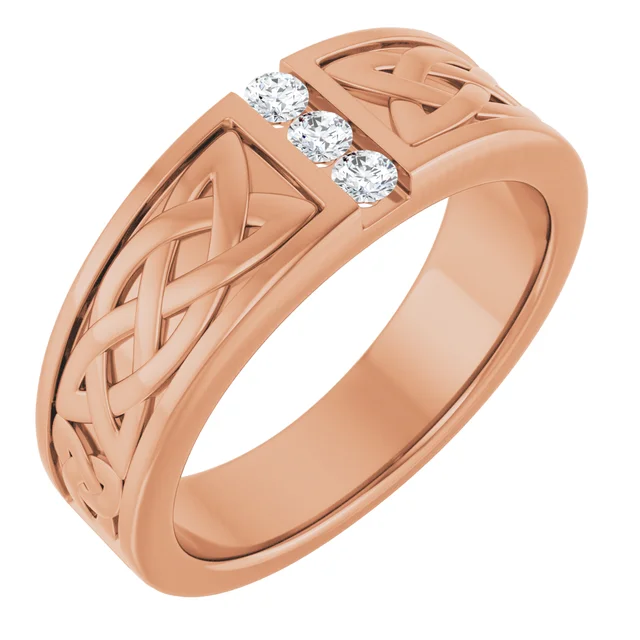 Rose Gold
Precious Metals
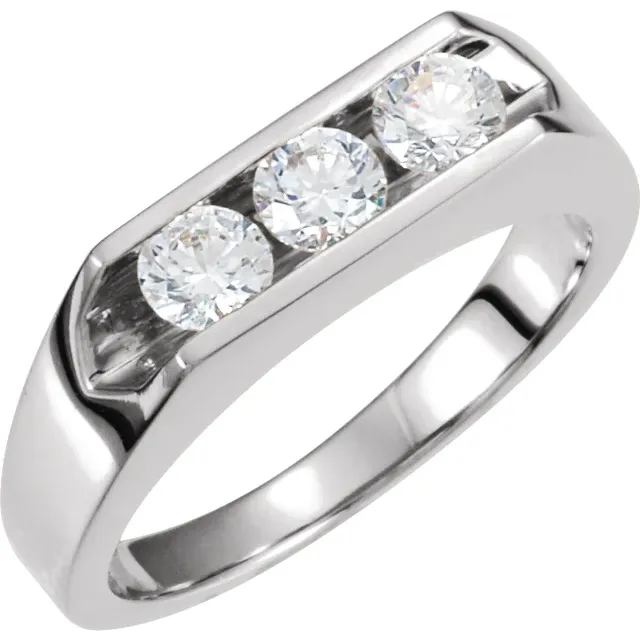 Platinum
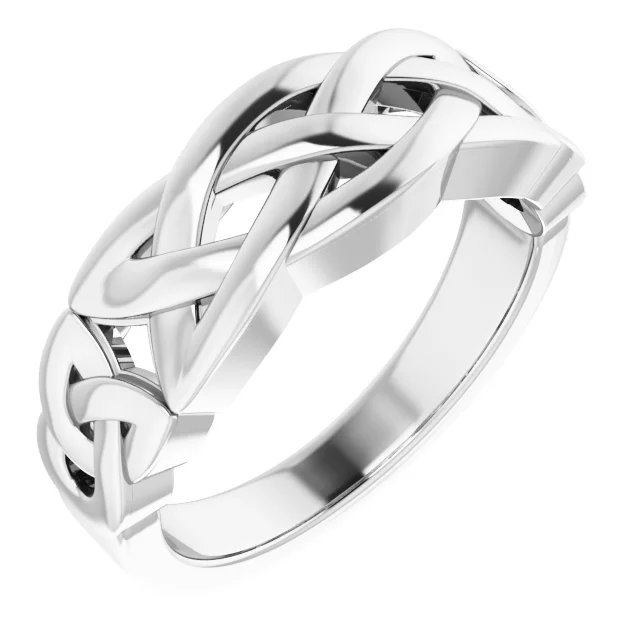 Sterling Silver
Alternative Metals
Metal quality is influenced by purity, durability, finish, craftsmanship, and how well it suits the intended use of the piece.
14K gold contains less pure gold and is generally more durable. 18K gold has a higher gold content and a richer appearance.
Yes. White gold is often rhodium plated, and that finish may need to be renewed over time.
Not always. Platinum is naturally white, heavier, and more durable. White gold is lighter and often more affordable.
A 925 stamp means the piece is sterling silver and contains 92.5 percent pure silver.