
Unlike gemstones mined from the earth, pearls are created within living mollusks. Layers of nacre gradually form around a nucleus, producing the soft glow and iridescence that make each pearl unique.
No two pearls are exactly alike. Their shape, surface, color, and luster are all part of their natural beauty.
Known for their classic round shape and bright luster, Akoya pearls are a timeless choice for strands, earrings, and refined everyday jewelry.
Freshwater pearls come in a beautiful variety of shapes and soft colors, including white, pink, peach, and lavender.
South Sea pearls are admired for their larger size, satin like glow, and luxurious white, silver, and golden tones.
Tahitian pearls are known for their rich, dramatic colors, including charcoal, green, blue, and peacock.
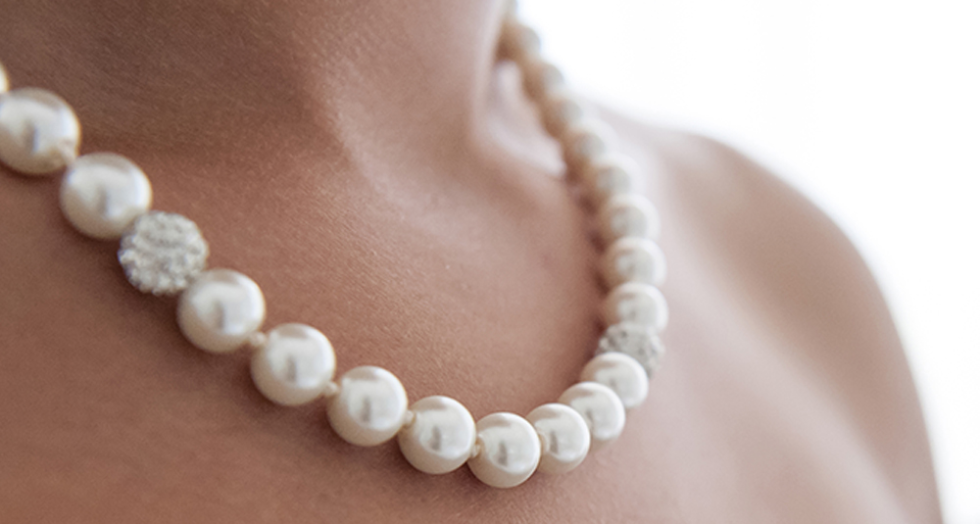
A pearl’s beauty is shaped by its luster, surface, shape, color, and size. Strong luster creates a luminous glow, while natural variations give each pearl its own character.
Caring for Your Pearls
Apply perfume, lotion, and hairspray before putting on your pearls. After wearing them, gently wipe them with a soft cloth and Pearl Education them separately from harder jewelry.


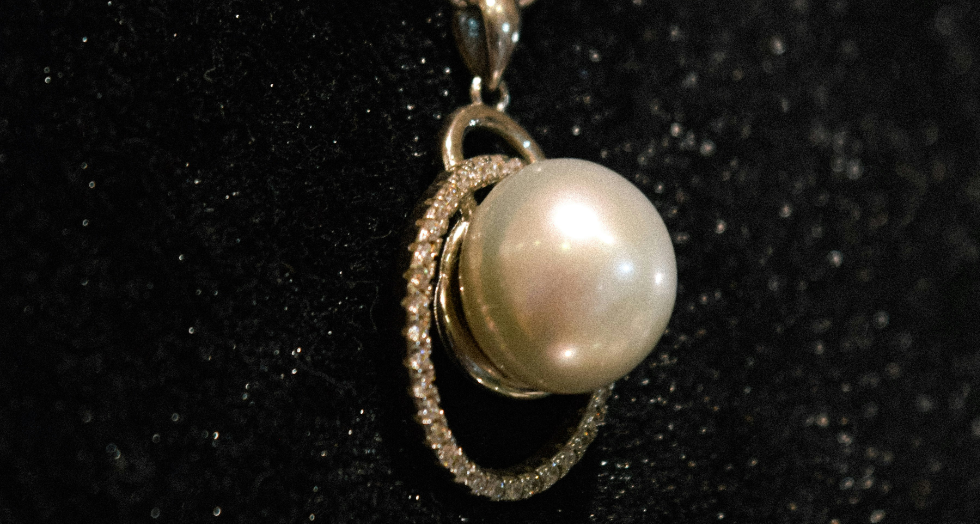

Naturally One of a Kind
Discover the Types of Pearls
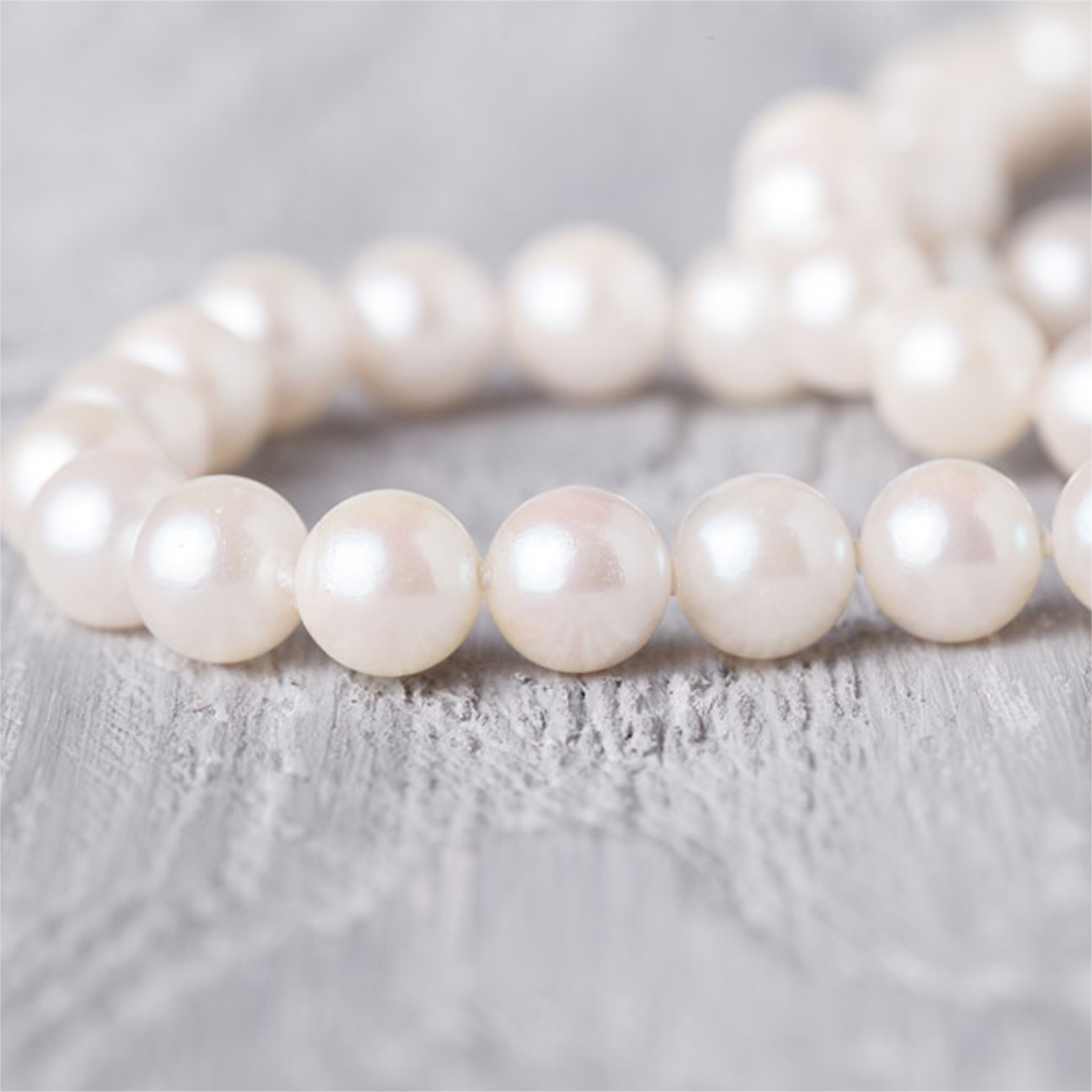 AKOYA PEARLS
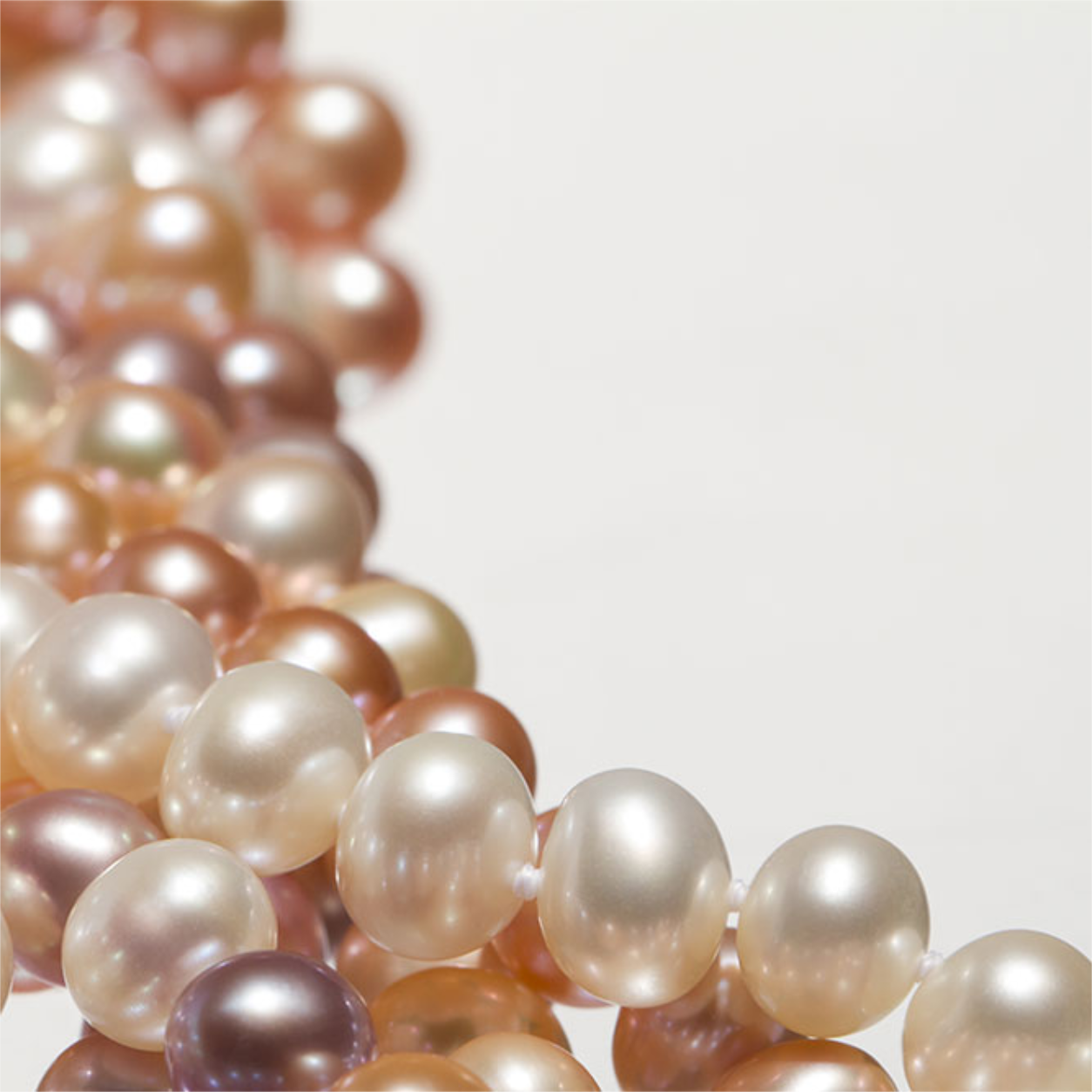 FRESHWATER PEARLS
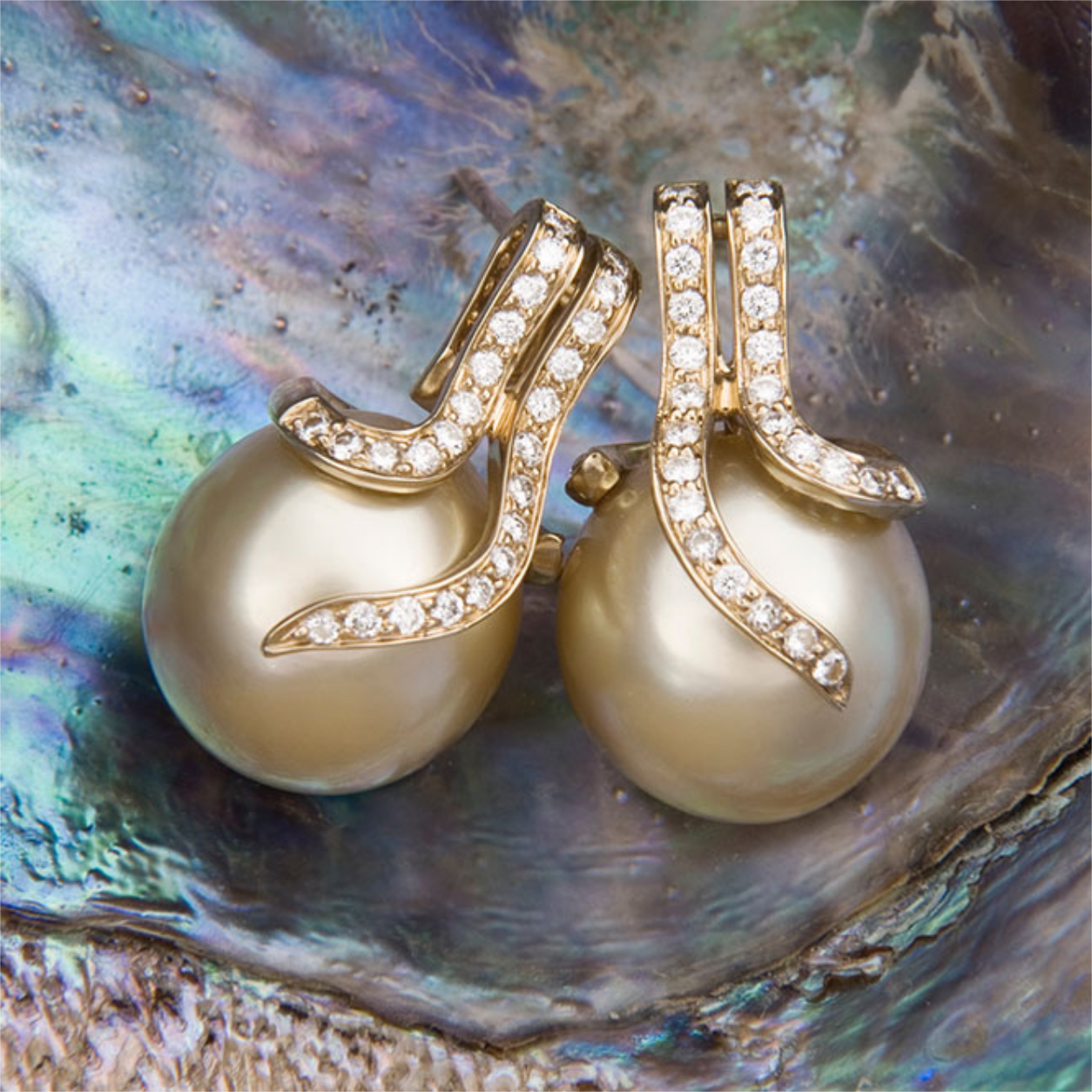 SOUTH SEA PEARLS
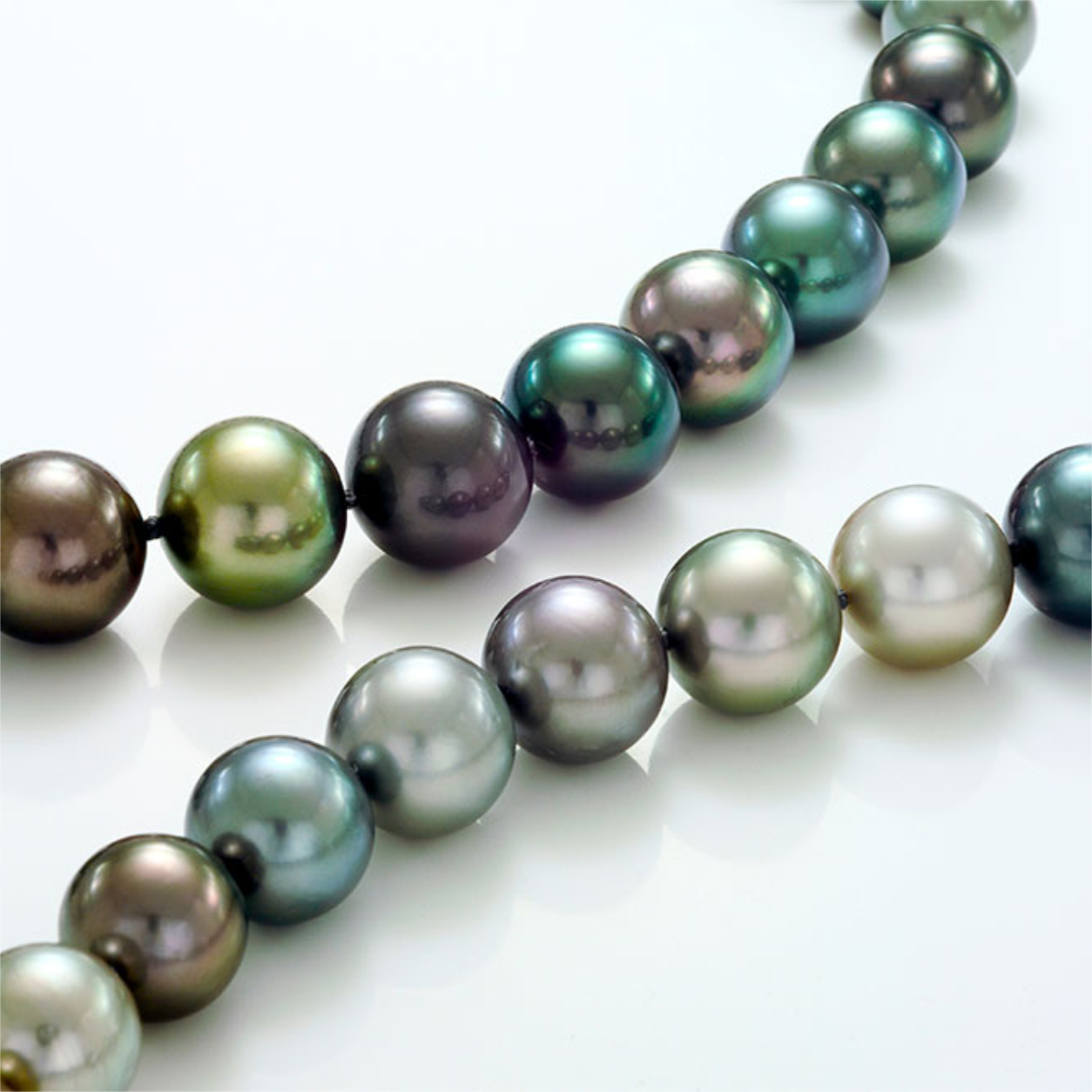 TAHITIAN PEARLS
What Makes a Pearl Beautiful?
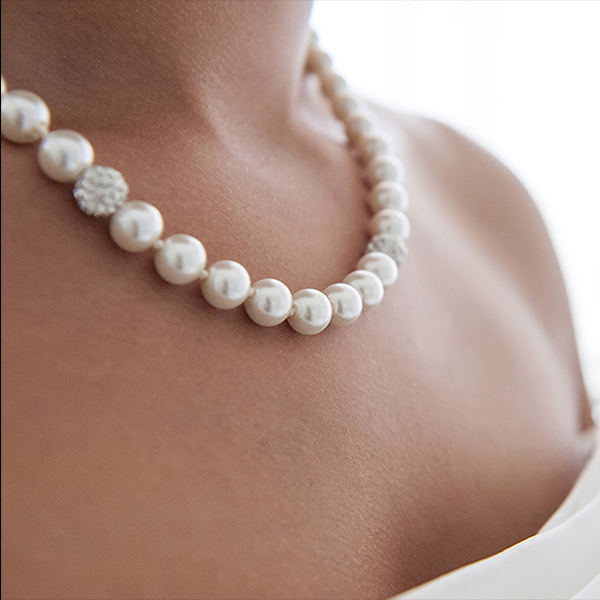
Pearl quality is evaluated by its luster, surface, shape, color, size, and nacre. Luster is especially important because it gives a pearl its bright, luminous glow. Natural surface variations are expected and help make each pearl unique.
No. Pearls can appear in shades of cream, pink, peach, lavender, silver, gold, gray, green, and black.
Natural pearls form without human assistance. Cultured pearls grow through a carefully guided process within a mollusk and are the type most commonly used in fine jewelry today.
Round pearls are traditionally prized, but oval, teardrop, button, and baroque pearls can be equally beautiful. The best shape depends on your personal style.
Yes, but pearls require gentle care. Avoid exposing them to chemicals, harsh cleaners, and rough surfaces.